Multifuel vs Wood Burning
Fireplaces and Stoves Explained: Pros, Cons and Local Options
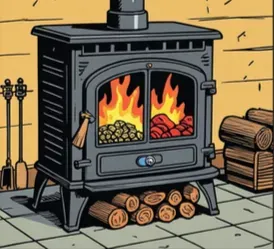
Multifuel vs Wood Burning Fireplaces and Stoves Explained: Pros, Cons & Local Options
Multifuel stoves offer great versatility, but if you’re like me, you’ll want to understand how they compare to traditional wood burning options before making a choice. In this post, I’ll walk you through the key differences, including fuel types, efficiency, and maintenance, so you can pick the best stove or fireplace for your home. I’ll also share advice on what to consider when buying locally, helping you enjoy a beautiful, safe, and efficient fire that perfectly suits your lifestyle and heating needs.
The Allure of Wood Burning Stoves
I’m always drawn to the charm of a wood burning stove, where the flickering flames and crackling logs create an atmosphere nothing else quite matches. Beyond aesthetics, there’s a comforting warmth that fills the room evenly, all while enjoying a glimpse of dancing embers through larger glass panels that many dedicated wood burners offer. The ritual of tending to a wood fire, stacking logs on fresh ashes, adds a hands-on, satisfying element that many stoves lack, making it as much about the experience as the heat.
Benefits of Natural Wood Heat
Natural wood delivers a rich, radiant heat that spreads pleasantly and retains warmth even after the fire dies down. Wood burns on a flat base in dedicated stoves, which boosts combustion efficiency and creates longer-lasting flames. With Cleanburn technology, combustion becomes even more effective, turning your logs into a powerful, consistent heat source while you soak up the inviting glow and fresh earthy scent of real burning wood.
Environmental Considerations
Wood burning ranks as a virtually carbon-neutral energy source because the CO₂ released during combustion mirrors what trees absorbed during growth. This cycle means you’re tapping into a renewable fuel, assuming you source your wood responsibly. Stoves approved for Smoke Control Areas require logs with less than 20% moisture—ideally around 15%—to reduce emissions and maximise heat output.
Diving deeper, the environmental advantage of wood burning hinges on sustainable forestry and moisture content. Dry, well-seasoned wood at around 15% moisture burns far cleaner, releasing fewer pollutants like particulate matter and volatile organic compounds. In regions with strict Smoke Control regulations—such as Cannock and Lichfield—using certified dry wood ensures legal compliance and reduces harmful smoke. Plus, technologies such as Cleanburn and Airwash systems improve combustion efficiency by burning gases and hydrocarbon particles that otherwise escape, further minimising your stove’s environmental footprint. This synergy of sustainable fuel and advanced stove design makes modern wood burning a genuinely greener home heating option.
Multi-Fuel Stoves: Versatility at Its Best
Multi-fuel stoves stand out for their adaptability, letting you burn more than just wood. Their design features like a raised grate and ashpan make managing different fuels straightforward, providing a seamless experience whether you're using smokeless coal, anthracite, or logs. This flexibility means fewer fuel shortages and often better access to local suppliers. The trade-off is a slightly smaller viewing window compared to wood-only stoves, but the ability to switch fuels easily often outweighs that for many homeowners.
Fuel Options and Flexibility
You're not tied down with multi-fuel stoves—they handle wood, smokeless fuels, anthracite, and even peat briquettes. Many of these fuels are approved in Smoke Control Areas, expanding your legal heating options. The stove’s moving or riddling grate system allows effective burning of these diverse fuels and easy ash removal, keeping burns efficient without frequent maintenance interruptions.
Efficiency and Energy Consumption
Multi-fuel stoves deliver heat outputs similar to wood burning stoves, often reaching high efficiencies thanks to features like Cleanburn and Airwash systems. The primary air intake below the grate optimizes combustion, ensuring that you get the most warmth from every fuel type, making your energy spend go further.
Efficiency in multi-fuel stoves benefits greatly from their advanced air control systems. The introduction of air beneath the fuel bed maintains consistent combustion temperatures, while the ash management system prevents blockages that could reduce airflow and heat output. Models with AMS (Ash Management Solution) reduce downtime for cleaning by collecting ash externally, allowing the stove to maintain peak performance for longer periods. Compared to wood-only stoves, this can translate into a more consistent heat delivery and potentially lower fuel consumption, especially when using higher-density fuels like anthracite.
Comparing Performance: Wood vs. Multi-Fuel Stoves
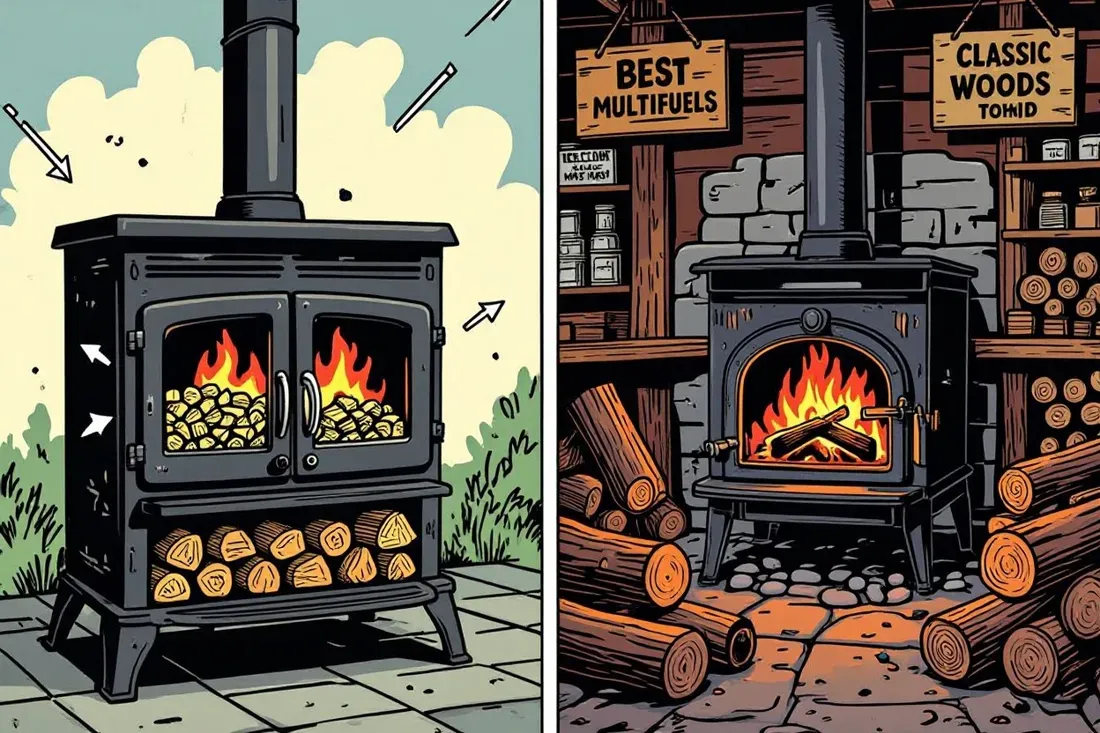
Wood Burning StovesMulti-Fuel StovesUse a flat base for logs to rest on a bed of ashes, promoting efficient, even combustion. Typically feature larger glass windows for an enhanced flame view.Include raised grates with riddling bars and ashpans, optimized to burn a variety of fuels such as smokeless coal, anthracite, and peat briquettes alongside wood.Often have Cleanburn and Airwash technology ensuring emissions are minimized and flames burn hotter and cleaner.Incorporate AMS (Ash Management Solutions) and primary air inlets beneath the grate for easier ash removal and optimized combustion across fuels. Best choice if burning only seasoned wood with less than 20% moisture for maximum heat and efficiency.Offer greater fuel flexibility, allowing you to source from wider suppliers but require more frequent ash management when using fuels like smokeless coal.
Heat Output and Duration
Both stove types deliver similar heat output and efficiency, but wood burning stoves benefit from burning logs on a bed of ashes, promoting a steadier, even burn. Multi-fuel stoves, with their air control systems and riddling grates, maintain efficient combustion across various fuels, giving you flexibility without sacrificing warmth or longevity of the fire.
Maintenance and Upkeep Requirements
Wood burning stoves generally require less frequent ash removal since ashes accumulate under the logs and only need clearing as needed rather than daily. Multi-fuel stoves, however, demand daily ash clearance from the ashpan, especially when burning smokeless fuels, to keep combustion smooth and efficient.
Beyond simple ash removal, maintaining a multi-fuel stove involves managing the riddling grate and ensuring the ashpan is emptied to prevent airflow blockage. In contrast, wood burning stoves’ flat base design means ashes build up beneath the logs, often allowing fires to be rekindled without emptying the ash too often. Both stoves benefit from routine chimney inspections and cleaning, but the multi-fuel’s versatility can mean slightly more maintenance effort depending on your fuel choice.
Local Options for Wood and Multi-Fuel Stoves
Choosing a stove locally not only supports nearby businesses but also simplifies sourcing the right fuel, installation services, and aftercare. Areas like Staffordshire, including Cannock Chase, Rugeley, and Lichfield, have suppliers such as Rugeley Fireplaces & Stoves, specialising in stoves approved for Smoke Control Areas, ensuring your new stove complies with local regulations. We often provide tailored advice on fuel types and moisture levels, such as the recommended 15% for logs, helping you enjoy maximum heat output and efficient combustion with either wood burning or multi-fuel stoves.
Finding Reliable Suppliers
Outside of Staffordshire? I suggest prioritising suppliers with extensive knowledge of both wood burning and multi-fuel appliances, and that stock stoves certified for Smoke Control Areas. Look for those offering personalised consultations and transparent product demonstrations, so you can compare features like Cleanburn technology or AMS (Ash Management Solution). Checking customer reviews and asking for local installation references can save you headaches later, ensuring you receive a reliable stove and dependable ongoing support. If you're in Staffordshire you can check us out www.rugeleyfireplaces.net and visit our Rugeley Fireplace and Stoves showrooms.
Installation and Regulations
Certified installers aware of local building codes and Smoke Control Area restrictions will ensure your stove meets legal standards. Many areas require compliance with emissions and safety guidelines, and fitting your stove incorrectly can lead to fines or hazardous conditions. Installation experts typically manage chimney liners, ventilation, and hearth requirements, making the process smooth and safe.
Proper installation involves assessing your property’s airflow and chimney condition to match the stove type and fuel you’ll use. For instance, dedicated wood burners need less complex grates but still must have effective ventilation to support Cleanburn technology. Meanwhile, multi-fuel stoves need correctly fitted ashpans and riddling grates to manage diverse fuels like anthracite or approved smokeless coal. Experienced installers also handle clearance distances and hearth construction, meeting British Standards for safety. This avoids risks of carbon monoxide buildup, overheating, or chimney fires.
The Human Element: Comfort and Aesthetics
Nothing beats the cozy warmth and flickering glow of a real fire bringing a home to life. Wood burning stoves often offer a larger glass viewing window, showing off the dancing flames to full effect, creating a calming, natural ambiance. Multi-fuel stoves, with their practicality and versatility, lend themselves well to homes where convenience meets style. Whether you prefer the gentle crackle and mesmerizing flames of wood or the steady burn of approved fuels, the atmosphere that either stove creates taps directly into our instinct for comfort, making your room feel inviting and lived-in.
Designing Your Space Around Your Stove
Arranging your room to highlight your stove can transform it into the heart of your home. Freestanding stoves give you flexibility to position them centrally, while inset models work beautifully within existing fireplaces to maintain tradition. Think about seating that encourages socializing around the heat source, and materials like stone or brick nearby that complement your stove’s aesthetic while providing practical heat resistance. Subtle lighting and minimal clutter help keep focus on the fire itself, blending function with style for a balanced, welcoming environment.
Personal Stories and Experiences
Hearing how others live with their stoves really highlights unique benefits. For instance, a friend told me that their wood burning stove, equipped with Cleanburn technology, not only cuts their heating bills but also becomes a focal point for weekend family gatherings. Another family appreciated their multi-fuel appliance’s adaptability during winter fuel shortages, enjoying uninterrupted warmth no matter the supply. These firsthand experiences show how personal choice influences satisfaction, comfort, and daily life around these versatile heat sources.
Digging deeper into these stories reveals how practical concerns often merge with emotional connections. Some users emphasize the joy of selecting their own logs, drying them carefully to keep moisture below 15% for optimum burn, while others point to the cleaner ash management system in their multi-fuel stoves that simplifies maintenance. Many recount how the fire’s glow draws people together, sparking conversations or quiet moments of reflection. These anecdotes reflect that beyond technical specs, stoves shape lifestyle in very real, heartfelt ways.
Final Words
So, when choosing between multi-fuel and wood burning stoves or fireplaces, I think it really comes down to how you plan to use your fire and what fuels are easiest for you to access locally. I find wood burning stoves offer a beautiful, clear flame with simple ash management, while multi-fuel options give you flexibility with different solid fuels. Either way, both types provide great warmth and atmosphere, and your local retailer Rugeley Fireplaces & Stoves can help you pick the perfect fit for your home and lifestyle.
Why Choose Us?
FAQ
Q: What are the main differences between wood burning stoves and multi-fuel stoves?
A: Wood burning stoves are designed primarily to burn logs, with a flat base where ashes collect and fresh logs are placed on top. This design enhances combustion efficiency and heat output. Multi-fuel stoves, on the other hand, have a raised grate and ashpan, allowing them to burn a variety of fuels including logs, smokeless coal, anthracite, and peat briquettes. This grate system also facilitates easier ash removal to maintain effective burning conditions. Visually, wood burning stoves often have larger windows for viewing flames, while multi-fuel stoves prioritize fuel versatility.
Q: What are the advantages of choosing a multi-fuel stove over a wood burning stove?
A: Multi-fuel stoves offer greater convenience by allowing you to burn a wider range of fuels, such as approved smokeless fuels and anthracite, in addition to wood. This flexibility enables access to different fuel suppliers, which can be beneficial based on local availability and pricing. Furthermore, many multi-fuel models include features like Ash Management Solutions (AMS) for easier ash removal and primary air inlets to optimize combustion efficiency. If you anticipate using fuels other than wood, a multi-fuel stove provides enhanced versatility compared to dedicated wood burning appliances.
Q: Are wood burning and multi-fuel stoves environmentally friendly choices for heating?
A: Wood burning stoves are often considered a green heating option because burning wood emits roughly the same amount of carbon dioxide that the tree absorbed during growth, making it nearly carbon neutral. Multi-fuel stoves can also be environmentally conscious if used with approved smokeless fuels that reduce emissions, especially in Smoke Control Areas. However, some fuels allowed in multi-fuel stoves, like peat briquettes, are less environmentally friendly. Selecting the right fuel type and maintaining efficient burning practices are key to minimizing the environmental impact of either stove type.
So, if you're in the market for a new stove, pop into see Emma and Darren at Rugeley Firepalces & Stoves, Serving Cannock Chase and Lichfield areas since 1989
“Absolutely first-class from start to finish. They turned up when they said they would, charged exactly what they quoted, and the finish is faultless. We wouldn't go anywhere else.”
Charlotte D.
Repeat client